
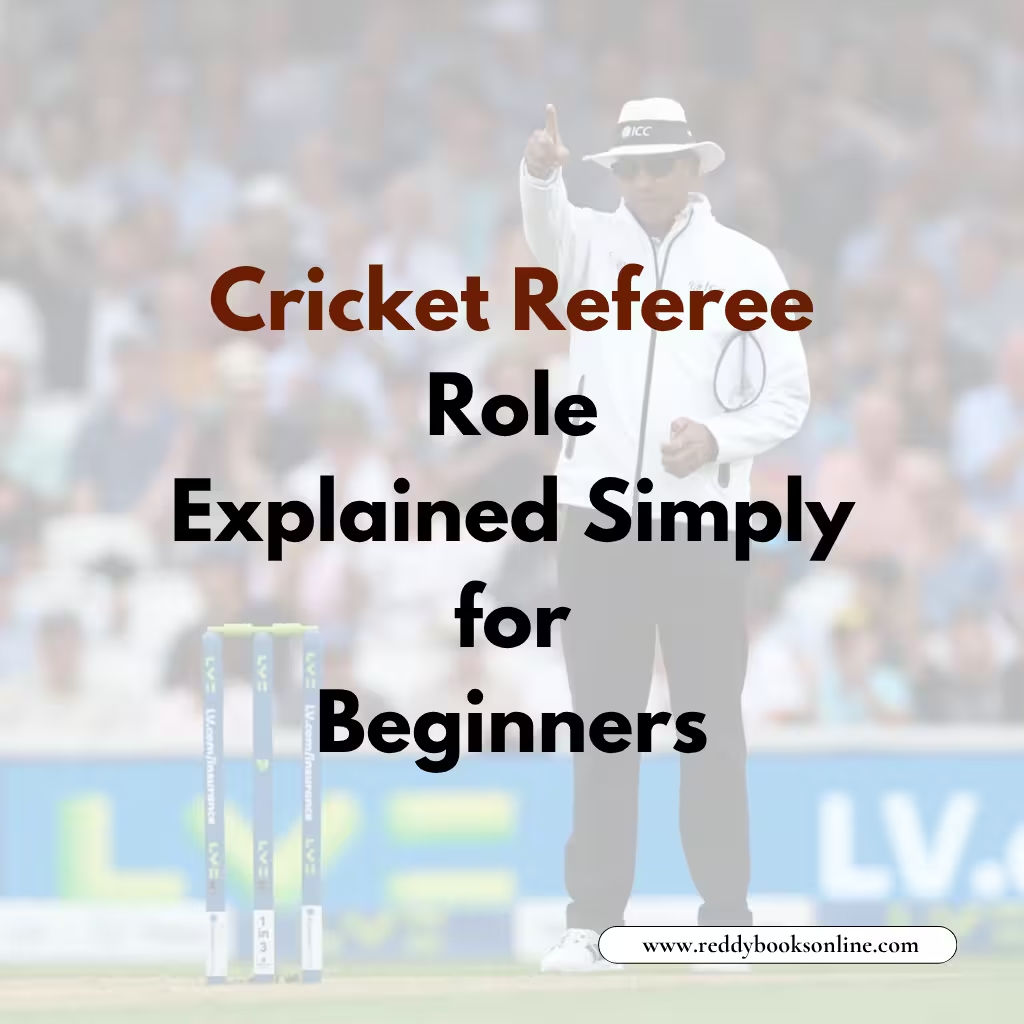
Understanding the Cricket Referee Role is important for anyone who wants to fully grasp how the game is managed behind the scenes. While umpires control what happens on the field, the match referee ensures that the game is played fairly and according to the rules.
The cricket referee plays a crucial role in maintaining discipline, monitoring player behavior, and handling any issues that arise during a match. For new fans, learning about this role adds a deeper understanding of how professional cricket operates.
Also Read : Reddy Books 369
What Is the Cricket Referee Role
The Cricket Referee Role involves overseeing the overall conduct of a match. Unlike umpires, referees do not make decisions on the field during play. Instead, they observe the match from outside and ensure that players and teams follow the official rules and code of conduct.
Match referees are usually appointed by governing bodies for international and major domestic matches. Their decisions are important for maintaining fairness and professionalism in the game.
Key Duties of a Cricket Referee
1. Monitoring Player Behavior
One of the main responsibilities of the referee is to watch how players behave during the match. If a player shows aggression, uses inappropriate language, or breaks rules, the referee can take action.
2. Enforcing the Code of Conduct
The referee ensures that all players follow the cricket code of conduct. This includes maintaining sportsmanship, respecting opponents, and following match regulations.
3. Reviewing Match Reports
After the match, the referee prepares a report that includes key events, player behavior, and any incidents that occurred. This report is submitted to the governing authority.
4. Taking Disciplinary Actions
If any rules are violated, the referee has the authority to impose fines, warnings, or suspensions depending on the seriousness of the offense.
Difference Between Umpire and Referee
The Cricket Referee Role is different from that of an umpire. Umpires are responsible for making decisions such as outs, wides, and no balls during the match.
On the other hand, the referee focuses on discipline and overall match conduct. While umpires manage gameplay, referees ensure the spirit of the game is maintained.
Why the Cricket Referee Role Is Important
The role of a referee is essential for keeping the game fair and respectful. Without proper supervision, matches could become disorganized or unfair.
The Cricket Referee Role helps to:
- Maintain discipline among players
- Ensure rules are followed correctly
- Promote fair play and sportsmanship
- Handle disputes in a professional manner
This makes the referee a key figure in modern cricket.
How Cricket Referees Support Fair Play
Cricket referees act as neutral observers who ensure that both teams compete in a respectful environment. They step in only when needed, but their presence ensures that players stay within the rules.
By enforcing discipline and reviewing match conduct, referees help maintain the integrity of cricket at all levels.
Also Read : LBW in Cricket
Summary
This guide explains the Cricket Referee Role and why it is important in professional cricket. From monitoring player behavior to enforcing rules and preparing match reports, referees play a vital role behind the scenes.
Understanding this role helps fans appreciate not just the action on the field but also the structure that keeps the game fair and organized.