
History of Cricket: Origin, Evolution and Early Development
The History of Cricket is a fascinating journey that shows how a simple bat-and-ball game evolved into one of the most popular sports in the world. From its early beginnings in rural England to becoming a global phenomenon, cricket has grown through centuries of change and development. Understanding the History of Cricket helps fans appreciate the traditions, rules, and formats that shape the modern game today. Also Read : Reddy Book 777 Origin of Cricket Early Beginnings in England The History of Cricket dates back to the 16th century in England. It is believed that children first played a basic version of the game in villages using simple equipment like wooden bats and handmade balls. Over time, adults started playing the game, and it gradually became more organized. By the 17th century, cricket had become popular in southern England. Development as a Competitive Sport As interest grew, cricket matches began to be played between different villages and regions. Rules started to form, and players began to compete seriously. This early stage was crucial in shaping the History of Cricket as a structured sport. Evolution of Cricket Formation of Rules In the 18th century, cricket saw major improvements with the introduction of formal rules. The Laws of Cricket were written to standardize how the game should be played. Key developments included: These changes made cricket more organized and competitive. Rise of First-Class Cricket Cricket became more professional during the 18th and 19th centuries. Clubs and teams were formed, and matches attracted large crowds. The Marylebone Cricket Club (MCC) played an important role in maintaining and updating the rules, which helped in shaping the modern History of Cricket. Spread of Cricket Worldwide Expansion Through British Influence Cricket spread to different parts of the world during the British colonial period. Countries like India, Australia, and South Africa adopted the sport and developed their own teams. Growth in Popularity As more nations started playing cricket, international matches began to take place. This global expansion is a major milestone in the History of Cricket. Early Development of Cricket Formats Test Cricket Test cricket became the first official international format in the late 19th century. It is known for its long duration and focus on skill and patience. Limited-Overs Cricket In the 20th century, shorter formats like One Day Internationals (ODIs) were introduced to make the game faster and more appealing to fans. T20 Cricket The introduction of T20 cricket further revolutionized the sport by making matches shorter and more entertaining. These formats show how the History of Cricket continues to evolve with time. Why the History of Cricket Matters Understanding the History of Cricket helps fans and players learn how the game has developed over time. It highlights the traditions, strategies, and innovations that have shaped modern cricket. It also shows how cricket has become more than just a sport, it is now a global passion followed by millions. Also Read : LBW Rule Summary This guide covers the History of Cricket, including its origin in England, evolution into a structured sport, and global expansion. From village games to international tournaments, cricket has grown significantly over the years. By learning about its history, fans can better appreciate the game and its continued growth across the world.
Why Franchise Cricket Leagues Are Popular Worldwide
The rise of Franchise Cricket Leagues has changed the way cricket is played and watched across the world. From packed stadiums to millions of viewers online, these leagues have become a major part of modern cricket. Unlike traditional international matches, franchise leagues bring together players from different countries to compete in fast-paced tournaments. This mix of talent, entertainment, and competition is one of the main reasons behind their growing popularity. Also Read : Reddy Book 99 What Are Franchise Cricket Leagues Franchise Cricket Leagues are professional tournaments where teams are owned by private franchises. These teams include players from different countries who are selected through auctions or drafts. Popular examples include leagues played in India, Australia, and other cricketing nations. These competitions are usually based on the T20 format, making them short and exciting. Fast-Paced and Entertaining Matches Shorter Format Appeals to Fans One major reason why Franchise Cricket Leagues are popular is the fast-paced nature of matches. T20 games are completed in just a few hours, making them easy to watch. High Scoring and Action Fans enjoy big hits, quick runs, and thrilling finishes. The shorter format keeps the excitement high throughout the match. Global Mix of Players International Talent in One Team Franchise leagues allow players from different countries to play together in the same team. This creates a unique experience for fans. Learning Opportunity for Players Young players get a chance to play alongside experienced international stars, helping them improve their skills. This global combination adds to the appeal of Franchise Cricket Leagues. Strong Fan Engagement Team Loyalty and Branding Franchise teams build strong connections with fans through branding, merchandise, and social media. Fans support their favorite teams just like in other sports leagues. Entertainment Beyond Cricket Matches include music, cheerleaders, and live entertainment, making them more than just a game. Financial Opportunities Player Earnings Franchise leagues offer high salaries to players through auctions and contracts. This attracts top talent from around the world. Sponsorship and Media Deals These leagues generate huge revenue through sponsorships and broadcasting rights, increasing their popularity globally. The financial strength of Franchise Cricket Leagues plays a big role in their success. Impact on Modern Cricket Changing Playing Style The aggressive style of T20 cricket has influenced how players approach the game even in other formats. More Opportunities Franchise leagues provide more chances for players to showcase their talent and build their careers. Why Fans Love Franchise Cricket Leagues Fans enjoy Franchise Cricket Leagues because they combine sport with entertainment. The mix of international players, close matches, and exciting atmosphere keeps viewers engaged. These leagues are easy to follow and provide consistent action, which attracts both new and experienced cricket fans. Also Read : Cricket Fitness Training Summary This guide explains why Franchise Cricket Leagues are popular worldwide. Their fast-paced format, global players, strong fan engagement, and financial growth have made them a key part of modern cricket. As these leagues continue to grow, they are shaping the future of cricket and attracting fans from all over the world.
How to Play Cricket Professionally: Step-by-Step Guide
Learning How to play cricket professionally requires more than just knowing the basic rules. It involves building strong skills, understanding match strategies, and maintaining consistent practice. Cricket is a sport that rewards discipline, patience, and continuous improvement. Whether you are just starting or aiming to take your game to the next level, this guide explains the essential steps to help you progress toward playing cricket professionally. Also Read : Reddy Book 369 What Does It Mean to Play Cricket Professionally To understand How to play cricket at a professional level, it’s important to know that it involves competing in organized matches such as club, district, state, or national-level cricket. Professional players focus on performance, fitness, and consistency while representing teams in competitive environments. Step 1: Learn the Basics of Cricket Understand Rules and Gameplay The first step in How to play cricket is learning the rules, scoring system, and match formats like T20, ODI, and Test cricket. Develop Core Skills Players must learn basic skills such as batting, bowling, and fielding. Strong fundamentals are the foundation of professional cricket. Step 2: Join a Cricket Academy Get Professional Coaching Joining a cricket academy provides structured training and expert guidance. Coaches help players improve techniques and correct mistakes early. Practice with Discipline Regular training sessions are important to build consistency and confidence. A proper routine is essential for improvement. Step 3: Build a Daily Training Routine Skill Practice A balanced routine should include batting practice, bowling drills, and fielding sessions. Fitness Training Fitness is a key part of How to play cricket professionally. Strength, stamina, and agility help players perform better on the field. Step 4: Play Competitive Matches Gain Match Experience Playing matches at school, club, or local levels helps players understand real-game situations. Participate in Tournaments Tournaments provide exposure and opportunities to showcase talent in front of selectors. Step 5: Improve Skills and Techniques Work on Weak Areas Players should identify areas of improvement and practice regularly to enhance performance. Learn Advanced Techniques As skills develop, players can focus on advanced shots, bowling variations, and fielding techniques. Continuous improvement is a key part of How to play cricket professionally. Step 6: Develop Mental Strength Stay Focused and Confident Mental strength helps players perform under pressure and handle challenging situations. Stay Consistent Consistency is important for success in cricket. Players must stay disciplined and committed to their goals. Step 7: Progress to Higher Levels Perform Well in Matches Consistent performance helps players move from local to district and state-level cricket. Aim for Professional Opportunities Strong performances can lead to selection in professional leagues and higher competitions. Why Consistency Matters Understanding How to play cricket professionally also means focusing on long-term growth. Success comes from regular practice, learning from mistakes, and staying dedicated. Players who stay committed and work hard over time have a better chance of reaching professional levels. Also Read : No Ball in Cricket Summary This guide explains How to play cricket professionally through simple steps like learning basics, training regularly, playing matches, and improving skills. With dedication, discipline, and the right approach, beginners can develop their game and move closer to becoming professional cricketers.
Cricket Coaching Tips for Beginners Explained Simply
Learning the basics of cricket becomes much easier with the right Cricket Coaching Tips. For beginners, understanding proper techniques, building confidence, and practicing regularly are the keys to improvement. Cricket is a game of skill, patience, and strategy. With the right guidance, new players can develop strong fundamentals and enjoy the game more. This guide covers simple and effective coaching tips to help beginners get started. Also Read : Reddy Book 24 What Are Cricket Coaching Tips Cricket Coaching Tips are practical guidelines that help players improve their batting, bowling, fielding, and overall performance. These tips focus on developing correct techniques and building a strong foundation. For beginners, following the right coaching advice ensures steady progress and reduces common mistakes. Basic Batting Tips for Beginners 1. Focus on Proper Grip and Stance A correct grip and balanced stance are essential for good batting. Beginners should learn how to hold the bat comfortably and stand in a stable position. 2. Watch the Ball Carefully Keeping your eyes on the ball is one of the most important Cricket Coaching Tips. It helps in timing shots and making better decisions. 3. Start with Simple Shots Beginners should practice basic shots like defense and straight drives before trying advanced strokes. Bowling Tips for Beginners 1. Maintain a Consistent Line and Length Accuracy is more important than speed for new bowlers. Bowling in the right areas makes it harder for batters to score runs. 2. Develop a Smooth Action A proper bowling action helps in control and reduces the risk of injury. Consistency comes with regular practice. 3. Learn Basic Variations Simple variations like slower balls or spin can make bowling more effective. Fielding Tips to Improve Performance 1. Practice Catching Regularly Catching is a key skill in cricket. Beginners should practice both high catches and ground fielding. 2. Improve Throwing Accuracy Accurate throws help in run-outs and controlling the game. Fielding is an important part of Cricket Coaching Tips that often makes a big difference in matches. Importance of Fitness in Cricket Fitness plays a major role in overall performance. Beginners should include basic exercises like running, stretching, and strength training in their routine. Good fitness improves stamina, agility, and reaction time on the field. Mental Tips for Beginners Stay Positive and Confident Confidence is important for learning new skills. Beginners should stay positive even after mistakes. Be Patient and Keep Practicing Improvement takes time. Consistent practice is one of the most valuable Cricket Coaching Tips for beginners. Common Mistakes to Avoid Beginners often try advanced techniques too early or ignore basic skills. It is important to focus on fundamentals and learn step by step. Avoid rushing and concentrate on building a strong foundation. Also Read : Follow On Rule Summary This guide covers essential Cricket Coaching Tips for beginners, including batting, bowling, fielding, fitness, and mental strength. By following these simple tips, new players can improve their skills and gain confidence. With regular practice and the right approach, anyone can enjoy cricket and continue progressing in the game.

Why Batting Order Strategy Matters in Cricket Matches
Understanding Batting Order Strategy is key to knowing how cricket teams plan their innings and win matches. While skills like batting and bowling are important, the order in which players come to bat can greatly influence the outcome of a game. A well-planned batting order helps teams build partnerships, handle pressure, and score runs efficiently. For beginners, learning this concept makes it easier to understand match decisions and team tactics. Also Read : Reddy Book 777 What Is Batting Order Strategy Batting Order Strategy refers to how a team arranges its players to bat in a specific sequence. Each position in the lineup has a purpose, depending on the player’s strengths and the match situation. Some players are aggressive hitters, while others are better at building innings. Teams use this mix to create a balanced approach throughout the game. Role of Different Batting Positions 1. Openers Openers are the first two batters. Their job is to face the new ball and give the team a solid start. They need strong technique and the ability to handle fast bowlers. 2. Top Order The top order includes players who bat early in the innings. They focus on building a foundation by scoring steadily and preserving wickets. 3. Middle Order Middle-order batters play a flexible role. They stabilize the innings if early wickets fall or accelerate scoring when needed. 4. Finishers Finishers bat in the final overs and are known for hitting big shots. Their role is to maximize runs towards the end of the innings. Why Batting Order Strategy Matters A strong Batting Order Strategy can make a big difference in match results. It helps teams: If the batting order is not planned well, even a strong team can struggle to perform. Factors That Influence Batting Order Strategy Match Format In T20 matches, aggressive players are often placed higher in the order. In longer formats, stability and patience are more important. Pitch Conditions Pitch behavior affects batting decisions. On difficult pitches, teams may send technically strong players early. Opposition Bowling Teams adjust their batting order based on the strength of the opposition’s bowlers. For example, they may send left-handed batters to counter specific bowlers. Flexible Batting Order in Modern Cricket Modern cricket often uses a flexible approach to Batting Order Strategy. Teams may promote or delay certain players depending on the situation. For example, a power hitter might be sent early if quick runs are needed, while a steady batter may be used to stabilize the innings. How Beginners Can Understand Batting Order To understand batting order better, watch how teams change their lineup based on match situations. Notice which players come in during powerplays, middle overs, and final overs. With time, these patterns become clear, and you’ll start to see how strategy impacts the game. Also Read : Overs in T20 Cricket Summary This guide explains Batting Order Strategy and why it is important in cricket matches. From openers to finishers, each position has a specific role that contributes to the team’s success. By understanding batting order strategies, fans can better appreciate how teams plan their innings and adapt to different situations.
How Many Overs in T20 Cricket Matches Explained Simply
Understanding How Many Overs in T20 cricket matches is one of the easiest ways to get familiar with this fast-paced format. T20 cricket is known for its quick results, aggressive batting, and exciting finishes, making it one of the most popular formats in the world. In T20 matches, each team gets a limited number of overs, which creates a high-pressure environment where every ball matters. Knowing how overs work in this format helps fans enjoy the game even more. Also Read : Reddy Books 777 How Many Overs in T20 Cricket The answer to How Many Overs in T20 cricket is simple. Each team is allowed to play a maximum of 20 overs in one innings. Since there are two innings in a match, a complete T20 game consists of 40 overs in total. Each over has six legal deliveries, so a team can face up to 120 balls during their innings. The team that scores the most runs at the end of their 20 overs wins the match. Structure of a T20 Match First Innings The team batting first uses its 20 overs to score as many runs as possible. Because of the limited overs, players often play aggressive shots from the beginning. Second Innings The chasing team also gets 20 overs to reach the target. If they achieve the score within the overs, they win. If not, the defending team wins. Powerplay Overs in T20 Powerplays are important phases within the 20 overs that affect gameplay and strategy. 1. First Powerplay The first 6 overs are known as the powerplay. During this time, only a few fielders are allowed outside the inner circle, encouraging attacking batting. 2. Middle Overs From overs 7 to 15, teams focus on building partnerships while maintaining a steady scoring rate. Bowlers often try to slow down the game during this phase. 3. Final Overs The last 5 overs are called the death overs. This is when batters try to score quickly with big shots, while bowlers aim to take wickets and limit runs. Overs Per Bowler in T20 In T20 cricket, each bowler is allowed to bowl a maximum of 4 overs. This rule ensures that teams rotate bowlers and maintain balance in their attack. What Happens If Overs Are Reduced Weather conditions like rain can sometimes interrupt matches. In such situations, the number of overs may be reduced. Adjusted targets are then set so both teams have a fair chance to compete. Even in shortened games, the concept of How Many Overs in T20 remains important for understanding match flow. Why Overs Are Important in T20 Cricket Knowing How Many Overs in T20 helps explain why the format is so exciting. With fewer overs, teams must play aggressively and make quick decisions. Overs influence: This fast structure is what makes T20 cricket thrilling for fans around the world. Also Read : Cricket Strategy And Tactics Summary This guide explains How Many Overs in T20 cricket and how the format works. Each team gets 20 overs, making a total of 40 overs in a full match. With powerplays, bowling limits, and fast gameplay, T20 cricket offers non-stop action. Once you understand the overs system, following T20 matches becomes simple and much more enjoyable.
Difference Between Bat and Ball Types in Cricket Explained
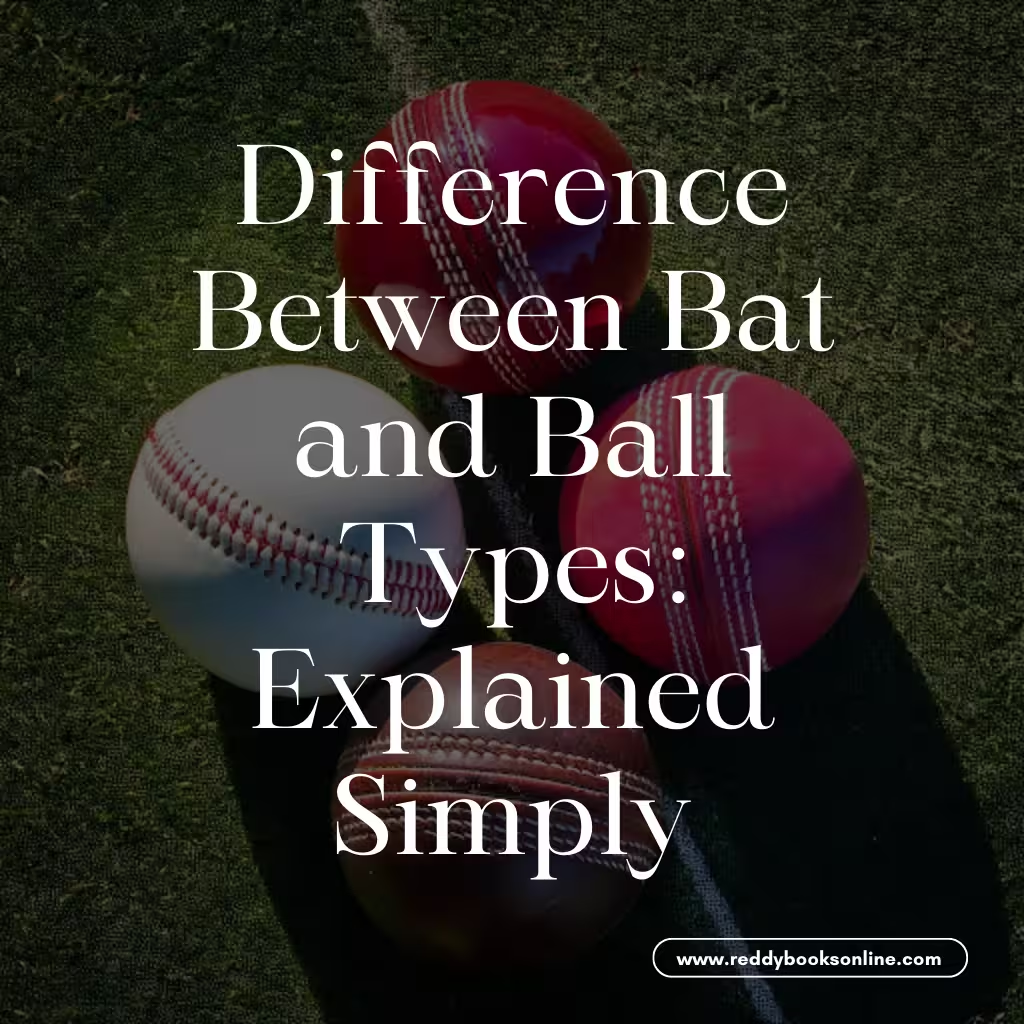
Understanding the Difference Between Bat and Ball Types is essential for players and fans who want to improve their knowledge of cricket. The type of bat and ball used in a match or practice session can greatly affect performance, technique, and overall gameplay. Cricket is played in different formats and conditions, and each requires specific equipment. Knowing how bats and balls vary helps players choose the right combination and adapt their playing style accordingly. Also Read : Reddy Books 369 Types of Cricket Balls Cricket balls are designed differently depending on the level and format of the game. Each type influences bounce, swing, and durability. Leather Ball The leather ball is used in professional matches such as Tests, ODIs, and T20 games. It is hard, durable, and offers swing and seam movement. Players need proper technique to handle its speed and bounce. Tennis Ball Tennis balls are commonly used in street and casual cricket. They are softer and lighter, making them safer for beginners. However, they behave differently compared to leather balls, with less bounce and swing. Rubber Ball Rubber balls are slightly harder than tennis balls but still safer than leather balls. They are often used for practice and training sessions, especially for young players. Types of Cricket Bats Cricket bats also vary depending on playing conditions and ball types. Choosing the right bat improves control, power, and shot selection. English Willow Bat This is the most commonly used bat in professional cricket. It is lightweight, offers better stroke play, and is ideal for use with leather balls. Kashmir Willow Bat Kashmir willow bats are more affordable and slightly heavier. They are suitable for beginners and are often used with tennis or rubber balls. Tennis Ball Cricket Bat These bats are specially designed for tennis ball cricket. They are lighter and shaped to help players hit powerful shots with softer balls. Difference Between Bat and Ball Types The Difference Between Bat and Ball Types mainly depends on how they interact during play. A leather ball requires a strong and well-balanced bat, usually made from English willow. In contrast, softer balls like tennis or rubber balls work better with lighter bats designed for casual play. The weight, balance, and sweet spot of the bat also change based on the ball type. For example, bats used with leather balls often have a more refined sweet spot for better timing, while tennis ball bats focus on power hitting. How to Choose the Right Combination Selecting the correct bat and ball combination is important for performance and safety. Understanding the Difference Between Bat and Ball Types helps players adjust their game and avoid injuries caused by mismatched equipment. Why This Knowledge Is Important Knowing the Difference Between Bat and Ball Types allows players to improve technique and enjoy the game more. It also helps beginners start with the right equipment and build confidence gradually. For fans, understanding these differences adds more depth to watching matches and analyzing player performance. Also Read : Cricket Umpire Signals Summary This guide explains the Difference Between Bat and Ball Types in cricket and how each combination affects gameplay. From leather balls used in professional matches to tennis balls for casual games, each type requires a specific bat for the best performance. By choosing the right equipment, players can enhance their skills, stay safe, and enjoy cricket at every level.
Cricket for Beginners: Rules and Basics Explained
Understanding cricket for beginners can feel confusing at first because the game includes many rules, positions, and scoring methods. However, once you learn the basic concepts, cricket becomes an exciting and strategic sport enjoyed by millions around the world. Cricket is played between two teams of eleven players each. The main objective is to score more runs than the opposing team while also trying to dismiss the other team’s batters. Matches are played on a large field with a pitch in the center where most of the action happens. This guide to cricket for beginners explains the essential rules, gameplay structure, and basic roles of players so that new fans can easily understand the sport. Also Read : Reddy Book 247 Basic Objective of Cricket Scoring Runs The primary aim of a cricket match is to score runs. Runs are scored when batters hit the ball and run between the two ends of the pitch. Batters can also score runs by hitting the ball to the boundary: The team with the higher score at the end of the match wins. Number of Players in Cricket Team Structure A standard cricket match features two teams with 11 players each. Each team takes turns batting and bowling. The main roles in a cricket team include: Every player also participates in fielding to stop runs and attempt dismissals. Basic Rules of Cricket Overs and Bowling In cricket, the bowler delivers the ball to the batter in sets called overs. One over consists of six legal deliveries. After each over, a different bowler usually bowls from the opposite end of the pitch. Ways a Batter Can Be Out Batters can be dismissed in several ways, including: Once ten players are out, the batting innings ends. Cricket Match Formats Test Cricket Test matches are the longest format and can last up to five days. Each team gets two innings to bat and bowl. One Day Internationals (ODI) ODI matches usually consist of 50 overs per team, and the match is completed in a single day. Twenty20 (T20) T20 cricket is the shortest format, with 20 overs per team, making the game faster and more exciting. Cricket Field and Pitch The Playing Area Cricket is played on a large circular or oval field. At the center lies the pitch, a 22-yard strip where the bowler delivers the ball and the batter attempts to score runs. Fielders are positioned around the field to stop runs and attempt catches. Why Cricket Is Popular Worldwide Cricket is popular in many countries, especially in places like India, Australia, England, and South Africa. The sport combines strategy, skill, and teamwork, making it exciting for both players and fans. For new fans, learning cricket for beginners helps make matches easier to understand and more enjoyable to watch. Also Read : Difference Between No Ball and Wide Summary This guide to cricket for beginners covers the essential rules and concepts of the game. Cricket may seem complicated at first, but understanding the basics, such as scoring runs, player roles, and match formats makes the sport much easier to follow. Once you learn these fundamentals, watching or playing cricket becomes far more enjoyable, and you can appreciate the strategy and excitement that make cricket one of the world’s most loved sports.
Difference Between No Ball and Wide in Cricket: Explained
Understanding the difference between no ball and wide is important for anyone learning the rules of cricket. Both no balls and wides are considered extras, meaning the batting team receives additional runs that are not scored from the bat. Although both result in extra runs for the batting side, they occur due to different types of bowling errors. A no ball usually happens when the bowler breaks certain rules while delivering the ball, while a wide ball occurs when the delivery is too far from the batter to hit comfortably. For beginners, learning the difference between no ball and wide in cricket helps explain umpire decisions and how these extras influence the outcome of a match. Also Read : Reddy Book 777 What Is a No Ball in Cricket? Meaning of No Ball A no ball is called when the bowler delivers the ball in an illegal manner according to cricket laws. When this happens, the batting team automatically receives one extra run, and the delivery must usually be bowled again. Common Reasons for a No Ball There are several situations when a bowler may bowl a no ball, including: In limited-overs cricket such as T20 and ODI matches, a no ball is often followed by a free hit, allowing the batter to play aggressively without the risk of being dismissed in most ways. What Is a Wide Ball in Cricket? Meaning of Wide Ball A wide ball is called when the bowler delivers the ball too far away from the batter, making it difficult or impossible for them to hit it using a normal cricket shot. Just like a no ball, the batting team receives one extra run, and the delivery must be bowled again. Situations When a Ball Is Called Wide Umpires may signal a wide ball when: Wide balls usually happen when bowlers lose control of their line and length. Key Difference Between No Ball and Wide Nature of the Bowling Error The main difference between no ball and wide lies in the type of mistake made by the bowler. Impact on the Game Both types of deliveries give the batting team an extra run, but no balls often have a bigger impact because they may lead to a free hit in limited-overs cricket. Bowlers therefore try to avoid both mistakes to maintain pressure on the batting side. Why Understanding These Extras Is Important Effect on Match Momentum Extras such as no balls and wides increase the batting team’s score without effort, which can shift momentum in close matches. Bowling Discipline Maintaining accuracy is crucial for bowlers. Frequent wides or no balls can lead to unnecessary runs and reduce a team’s chances of winning. Also Read : How Many Players In Cricket Team? Summary Learning the difference between no ball and wide in cricket helps fans better understand umpire signals and match decisions. While both deliveries are counted as extras, they occur for different reasons and have different effects on the game. A no ball usually results from a rule violation during the bowling action, while a wide ball happens when the delivery is outside the batter’s reachable area. By avoiding these errors, bowlers can maintain control and limit easy runs for the opposition.