

Understanding how many players in cricket team is one of the basic rules every cricket fan or beginner should know. In official cricket matches, each team consists of 11 players who participate on the field during the game. These players work together in batting, bowling, and fielding to compete against the opposing team. The group of 11 players selected to play a match is often called the Playing XI. While squads may contain more players, only eleven are allowed to take part in the game at one time. Knowing how many players in cricket team helps beginners understand team strategy, player roles, and how cricket matches are organized. Also Read : Reddy Book 99 Number of Players in a Cricket Team The Playing XI In professional cricket, each team must field 11 players during a match. These players are chosen before the match begins and remain the active participants throughout the game. The Playing XI includes different types of players who contribute in various aspects of the match. Key points about the Playing XI: The combination of players usually includes batters, bowlers, all-rounders, and a wicketkeeper. Roles of Players in a Cricket Team Batters Batters focus on scoring runs for their team. They aim to build partnerships and set or chase a target score during the match. Top-order batters usually try to establish a strong start, while middle-order players stabilize the innings. Bowlers Bowlers are responsible for dismissing the opposing batters and limiting the number of runs scored. Teams usually include different types of bowlers such as: This variety helps the team adapt to different pitch conditions. All-Rounders All-rounders are players who contribute with both batting and bowling. They provide balance to the team because they can perform multiple roles during the match. Many teams rely heavily on all-rounders to strengthen both their batting and bowling lineups. Wicketkeeper The wicketkeeper stands behind the stumps and plays a crucial role in fielding. Their responsibilities include: A skilled wicketkeeper is an important part of any cricket team. Substitute Players in Cricket The Role of the 12th Man Although only 11 players take the field, teams also have substitute players. The most common substitute is known as the 12th man. The 12th man can assist the team by: However, substitutes usually cannot bat or bowl unless special rules apply. Team Selection and Strategy Choosing the Right Combination Before a match begins, team management selects the best possible Playing XI based on conditions, opposition, and match format. For example: The captain and coaches carefully plan the team composition to maintain a balance between batting strength and bowling options. Also Read : Highest Team Score Summary Learning how many players in cricket team helps beginners understand the structure of the game. A standard cricket team includes 11 players, each performing specific roles such as batting, bowling, fielding, or wicketkeeping. While additional squad members may support the team, only the Playing XI takes part in the match. The combination of different player types ensures balance and strategy throughout the game. Understanding how many players in cricket team is a great starting point for anyone exploring the rules and fundamentals of cricket.

What Is Maiden Over in Cricket? Simple Explanation
Understanding what is maiden over is important for anyone learning the basics of cricket. In simple terms, a maiden over is an over in which the bowler does not concede any runs from the bat or extras. This means the batting team fails to score during all six deliveries of that over. Maiden overs are a key indicator of a bowler’s control and accuracy. By preventing the batting side from scoring, bowlers build pressure that can lead to wickets or mistakes. In both international and domestic cricket, maiden overs often play a crucial role in shaping the momentum of a match. For beginners, learning what is maiden over in cricket helps in understanding bowling strategies and match dynamics. Also Read : Reddy Book 24 Meaning of Maiden Over in Cricket Simple Definition A maiden over occurs when a bowler delivers six legal balls in an over and the batting team scores zero runs during those deliveries. Key points about a maiden over: If any run is scored during the over, it is no longer considered a maiden. Why the Term “Maiden” Is Used The word “maiden” historically means something that remains untouched or unchanged. In cricket, the term reflects that the score remains unchanged during that over. Types of Maiden Overs Standard Maiden Over This is the most common type of maiden over. The bowler completes six deliveries without conceding any runs or extras. Wicket Maiden A wicket maiden occurs when a bowler bowls a maiden over and also takes one or more wickets during that same over. Example: Wicket maidens are considered particularly valuable because they apply pressure and dismiss batters at the same time. Importance of Maiden Overs in Cricket 1. Building Pressure on Batters When a bowler delivers a maiden over, the batting team cannot score runs. This often increases pressure on the batter to play riskier shots in the following overs. 2. Controlling the Run Rate In limited-overs cricket such as ODIs and T20s, maiden overs can significantly slow down the scoring rate, forcing the batting team to adjust their strategy. 3. Boosting Bowling Confidence Bowling a maiden over also boosts the confidence of the bowler and helps the fielding team maintain momentum in the game. Maiden Overs in Different Cricket Formats 1. Test Cricket Maiden overs are very common in Test matches because bowlers focus on patience and consistency. Long spells of maiden overs are often used to build pressure over time. 2. ODI Cricket In One Day Internationals, maiden overs are valuable but slightly less frequent because batters tend to play more attacking shots. 3. T20 Cricket In T20 cricket, maiden overs are rare but extremely impactful. Since the format is short, even a single maiden over can change the course of the innings. Also Read : Most Centuries in International Cricket Summary Understanding what is maiden over helps cricket fans appreciate the tactical side of bowling. A maiden over may seem simple, but it reflects discipline, precision, and smart bowling. Whether in Test cricket, ODIs, or T20 matches, maiden overs remain an important part of the game. They slow down scoring, build pressure on batters, and often create opportunities for wickets. For anyone learning cricket, knowing what is maiden over in cricket is a great step toward understanding how bowlers influence the outcome of a match.
Spirit of Cricket Explained: Meaning and Examples
Cricket is not only about scoring runs or taking wickets; it is also about playing with integrity and respect. The Spirit of Cricket represents the ethical values and sportsmanship that guide how the game should be played. While cricket has clear rules and laws, the Spirit of Cricket emphasizes fair play, honesty, and respect for opponents, umpires, and the game itself. This concept makes cricket unique compared to many other sports because players are expected to follow both the written rules and the unwritten moral code of the game. Also Read : Reddy Book 99 What is the Spirit of Cricket? The Spirit of Cricket refers to the principles of sportsmanship and ethical behavior that players must follow during a match. It means competing hard but doing so fairly and respectfully. Cricket’s governing laws emphasize that the game should be played not only within the official rules but also within the spirit of the game. This philosophy encourages players to maintain discipline, accept umpire decisions, and respect the traditions of cricket. When players ignore these values, it harms the reputation and integrity of the sport. Core Principles of the Spirit of Cricket 1. Respect for Opponents Players must treat their opponents with dignity. Celebrations or competitive behavior should never cross the line into disrespect or hostility. 2. Respect for Umpires Umpires are responsible for making decisions during the match. Accepting their decisions calmly is an essential part of the Spirit of Cricket. 3. Fair Play Cricket values honest competition. Players should avoid cheating, time-wasting, or any unfair tactics that give them an improper advantage. 4. Self-Discipline Maintaining composure under pressure is important. Even in difficult situations, players should behave responsibly and uphold the values of the sport. Famous Examples of the Spirit of Cricket MS Dhoni and Ian Bell Incident (2011) During a Test match between India and England, Ian Bell was run out in a controversial situation. India’s captain MS Dhoni later withdrew the appeal, allowing Bell to continue his innings. This gesture was widely praised as a true example of the Spirit of Cricket. Grant Elliott Consoling Dale Steyn (2015 World Cup) After New Zealand defeated South Africa in the ICC World Cup semi-final, Grant Elliott helped a devastated Dale Steyn get up from the ground. The moment showed that compassion and respect can exist even in intense competition. Also Read : Famous Cricket Matches Why the Spirit of Cricket Matters The Spirit of Cricket helps preserve the game’s reputation as a gentleman’s sport. It promotes fairness, respect, and integrity among players and fans alike. These values not only shape cricket matches but also teach life lessons such as humility, discipline, and teamwork. When players follow the Spirit of Cricket, the game becomes more than just a contest—it becomes a symbol of sportsmanship and mutual respect.

Highest Team Score in Cricket History Explained
Cricket has witnessed many incredible matches where teams have produced massive totals. The record for the Highest team score in cricket represents extraordinary batting performance, teamwork, and endurance. These record-breaking totals are often the result of strong partnerships, consistent scoring, and favorable pitch conditions. Across Test matches, One Day Internationals (ODIs), and T20 cricket, teams have pushed the limits of scoring to create historic milestones. Also Read : Reddy Book 369 What Does Highest Team Score in Cricket Mean? The Highest team score in cricket refers to the largest total achieved by a team in a single innings during an official match. This total includes runs scored by batters along with extras such as wides and no-balls. Why High Team Scores Matter Large totals are significant because they: Teams reaching record scores usually feature outstanding individual performances and long partnerships. Highest Team Score in Test Cricket Sri Lanka – 952/6 Declared Sri Lanka holds the record for the highest team score in cricket history in Test format, scoring 952 runs for 6 wickets declared against India in 1997. Key Highlights of the Record This extraordinary total remains the highest ever recorded in Test cricket. Highest Team Score in ODI Cricket England – 498/4 England currently holds the record for the highest team score in cricket in ODI format. They scored 498 runs for 4 wickets against the Netherlands in 2022. Why This Record Is Remarkable ODI cricket has evolved dramatically, allowing teams to score much faster than in earlier decades. Highest Team Score in T20 International Cricket Nepal – 314/3 In T20 International cricket, Nepal holds the record for the highest team score in cricket in the shortest format with 314 runs for 3 wickets. Factors Behind the Record T20 cricket encourages attacking batting, which often results in very high scoring games. Factors That Lead to Record Team Scores 1. Strong Batting Lineups Teams with multiple skilled batters can maintain scoring momentum throughout an innings. 2. Pitch Conditions Flat pitches with minimal assistance for bowlers allow batters to score more freely. 3. Modern Bat Technology Improved cricket bats help players generate greater power and timing. 4. Aggressive Strategies Limited-overs formats promote attacking batting styles and high strike rates. Also Read : Most Centuries in International Cricket Final Thoughts The Highest team score in cricket represents the ultimate display of batting strength and teamwork. Records like Sri Lanka’s massive Test total or England’s explosive ODI innings highlight how cricket continues to evolve with faster scoring and innovative strategies. As new players emerge and the game becomes more dynamic, fans can expect even bigger totals in the future. The pursuit of breaking the highest team score in cricket will always remain one of the most exciting aspects of the sport.
Most Sixes in Cricket: Records and Stats
Hitting a six is one of the most thrilling moments in cricket. When a batter clears the boundary without the ball touching the ground, it not only earns six runs but also excites the crowd. Over the years, several powerful hitters have built records for the Most Sixes in Cricket, showcasing their strength, timing, and aggressive style of play. Modern cricket, especially in limited-overs formats, encourages attacking batting, which has increased the number of sixes in international matches. Also Read : Reddy Book 369 What Does Most Sixes in Cricket Mean? The term Most Sixes in Cricket refers to players who have hit the highest number of sixes during their international careers across different formats such as Test, One Day International (ODI), and T20 cricket. Why Six-Hitting Matters Six-hitting demonstrates: Players known for big hitting often change the momentum of a game within a few overs. Player with the Most Sixes in International Cricket Chris Gayle – The Universe Boss West Indies legend Chris Gayle holds the record for the Most Sixes in Cricket across international formats. Career Highlights Gayle’s ability to clear boundaries consistently made him one of the most destructive batters in cricket history. Most Sixes in Test Cricket Brendon McCullum New Zealand’s Brendon McCullum held the record for the most sixes in Test cricket for many years. Why This Record Is Special Test cricket traditionally focuses on patience and technique, making six-hitting less common. Players who dominate this category combine aggression with skill. Other notable six-hitters in Test cricket include: Most Sixes in ODI Cricket Shahid Afridi – The Boom Boom Hitter Pakistan’s Shahid Afridi became famous for hitting massive sixes in ODI cricket. Key Facts ODI cricket allows batters to attack more frequently, which leads to higher six counts. Most Sixes in T20 International Cricket Rohit Sharma Indian captain Rohit Sharma ranks among the players with the most sixes in T20 International cricket. Why T20 Encourages Six-Hitting T20 cricket rewards aggressive batting strategies. Batters aim to score quickly, and sixes become an important scoring option. Players such as: have also built impressive six-hitting records. Factors Behind Hitting the Most Sixes in Cricket 1. Batting Technique Timing and hand-eye coordination play a major role in clearing the boundary. 2. Strong Equipment Modern cricket bats help generate more power. 3. Format Evolution Shorter formats encourage batters to attack from the start. 4. Fitness and Strength Modern training helps players develop greater hitting power. Also Read : Best Bowling Figures in Cricket Final Thoughts Records for the Most Sixes in Cricket highlight the game’s most entertaining and fearless batters. From Chris Gayle’s explosive innings to modern T20 power hitters, six-hitting has become a defining feature of contemporary cricket. As cricket continues to evolve with faster formats and aggressive strategies, fans can expect even bigger six-hitting records in the future.

Best Bowling Figures in Cricket: Records and Stats
Bowling performances often define the outcome of a cricket match. While big centuries attract attention, exceptional bowling spells can completely change the direction of a game. The Best Bowling Figures in Cricket represent the most dominant spells where bowlers dismantled entire batting lineups with skill, precision, and strategy. From Test cricket marathons to explosive limited-overs matches, bowlers have produced remarkable figures that remain part of cricket’s rich history. Also Read : Reddy Book 369 What Are Bowling Figures in Cricket? Bowling figures describe a bowler’s performance in an innings. They typically show the number of wickets taken and the runs conceded. For example, 8/19 means a bowler took 8 wickets while conceding only 19 runs. Why Bowling Figures Matter Bowling figures help measure: The Best Bowling Figures in Cricket often come from moments when bowlers produce extraordinary skill and accuracy. Best Bowling Figures in Test Cricket Jim Laker – 10/53 One of the most iconic records in cricket history belongs to Jim Laker, who took 10 wickets for 53 runs in a single Test innings in 1956. Why This Record Is Historic This performance remains one of the greatest bowling achievements in the sport. Best Bowling Figures in ODI Cricket Chaminda Vaas – 8/19 Sri Lankan fast bowler Chaminda Vaas holds the record for the Best Bowling Figures in Cricket in ODI format with 8 wickets for 19 runs. Key Highlights ODI cricket often favors batters, making such bowling figures extremely impressive. Best Bowling Figures in T20 International Cricket Deepak Chahar – 6/7 Indian pacer Deepak Chahar produced one of the best bowling spells in T20 international cricket with 6 wickets for 7 runs. Why It Stands Out T20 matches are typically high scoring, so such bowling figures are rare. What Makes the Best Bowling Figures in Cricket Possible? 1. Accuracy and Control Great bowlers consistently hit the right areas, forcing batters into mistakes. 2. Variation in Bowling Using swing, spin, seam movement, and pace variations makes bowlers unpredictable. 3. Reading the Pitch Understanding pitch conditions allows bowlers to adapt their strategies effectively. 4. Pressure Situations Many of the Best Bowling Figures in Cricket come during high-pressure moments where bowlers rise to the challenge. Evolution of Bowling Records Over the years, cricket has changed significantly: Despite these challenges, bowlers continue to produce remarkable performances. Also Read : Highest Score Final Thoughts The Best Bowling Figures in Cricket highlight the brilliance of bowlers who have dominated matches through skill, strategy, and determination. From Jim Laker’s perfect Test innings to modern limited-overs spells, these records showcase the power of exceptional bowling. As cricket evolves, future bowlers will aim to challenge these milestones and create new historic moments in the game.

Most Runs in Cricket History: Top Players and Records
Scoring runs is the ultimate measure of success for a batter. Over decades, several legends have built extraordinary careers by accumulating massive totals. The record for the Most Runs in Cricket History represents consistency, skill, fitness, and longevity at the highest level. From traditional Test matches to modern T20 cricket, let’s explore the players who dominate the list for the Most Runs in Cricket History. Most Runs in International Cricket (All Formats Combined) Sachin Tendulkar Sachin Tendulkar leads the chart for the most international runs across formats. With over 34,000 runs combined in Tests and ODIs, his record stands as one of cricket’s greatest achievements. Why His Record Stands Out His ability to adapt to different formats set a benchmark for future generations. Most Runs in Test Cricket Sachin Tendulkar – 15,921 Runs He also holds the record for the most runs in Test cricket. Test cricket demands patience, technique, and mental strength. Scoring consistently over five-day matches requires discipline and endurance. Other notable Test run-scorers include: Each of these players built long and successful careers. Most Runs in ODI Cricket Sachin Tendulkar – 18,426 Runs In ODIs, Tendulkar also leads with the highest aggregate. Modern players like: have come close to breaking records, showing how competitive this category remains. ODI cricket balances aggression and stability, making sustained success challenging. Most Runs in T20 International Cricket Rohit Sharma and Virat Kohli T20 cricket has shorter innings but high scoring rates. Players like Rohit Sharma and Virat Kohli have accumulated thousands of runs in the shortest format. T20 requires: Consistency in T20 cricket is particularly impressive given its fast pace. Factors Behind Scoring the Most Runs in Cricket History 1. Longevity Players with long careers naturally accumulate more runs. 2. Fitness and Adaptability Modern training methods help extend careers. 3. Consistency Across Formats Great players succeed in multiple formats. 4. Mental Strength Handling pressure in international matches is crucial. How Modern Cricket Impacts Run Records The evolution of cricket has influenced scoring patterns: As cricket expands globally, new records continue to emerge. Why These Records Matter The Most Runs in Cricket History is more than a statistical milestone. It represents dedication, technique, and the ability to perform under pressure for years. Records inspire young cricketers to aim higher and build careers marked by consistency. Final Thoughts The race for the Most Runs in Cricket History remains ongoing. While legends like Sachin Tendulkar set extraordinary standards, modern players continue to chase those milestones. As cricket evolves, fans can expect new names to enter the record books, proving once again that the pursuit of greatness never stops in this sport.

Best Cricket Shoes for Beginners: Buying Guide
Choosing the Best Cricket Shoes is just as important as selecting the right bat or protective gear. Cricket involves running, sudden turns, bowling strides, and fielding movements. Wearing proper shoes improves grip, balance, and injury prevention. This beginner-friendly guide explains how to choose the Best Cricket Shoes based on playing surface, role, and comfort. Also Read : Reddy Book 99 Why Cricket Shoes Matter Cricket shoes are designed differently from regular sports shoes. They provide: The right footwear enhances both performance and safety. Types of Cricket Shoes These shoes have metal or rubber spikes on the sole. Best for: Spikes provide strong grip, especially during bowling run-ups. These shoes have a patterned rubber sole without metal spikes. Best for: Rubber soles offer flexibility and comfort while being easier to maintain. Choosing Based on Playing Role Look for: Quick foot movement is essential while batting. Choose: Bowling puts pressure on knees and ankles, so stability is important. Fielders benefit from: Agility and quick movement are key. Key Features to Check 1. Grip and Traction Ensure the sole provides proper grip on your regular playing surface. 2. Comfort and Fit Shoes should: Try them on with cricket socks for accurate fitting. 3. Cushioning Good cushioning reduces impact on joints, especially during long matches. 4. Breathability Mesh panels improve airflow and reduce sweat buildup. How to Select the Best Cricket Shoes for Beginners The Best Cricket Shoes should feel natural while running and stopping. Common Mistakes to Avoid They lack proper grip for cricket movements. Different surfaces require different sole types. Performance should always come first. Also Read : Choose a Cricket Bat Final Thoughts Selecting the Best Cricket Shoes ensures better balance, safety, and overall performance. Beginners should focus on comfort, grip, and role-specific features before considering brand or design. Proper footwear builds confidence on the field and helps prevent common cricket injuries. Investing in the right pair is a smart step toward improving your game.
Red Ball vs White Ball Cricket Explained Simply
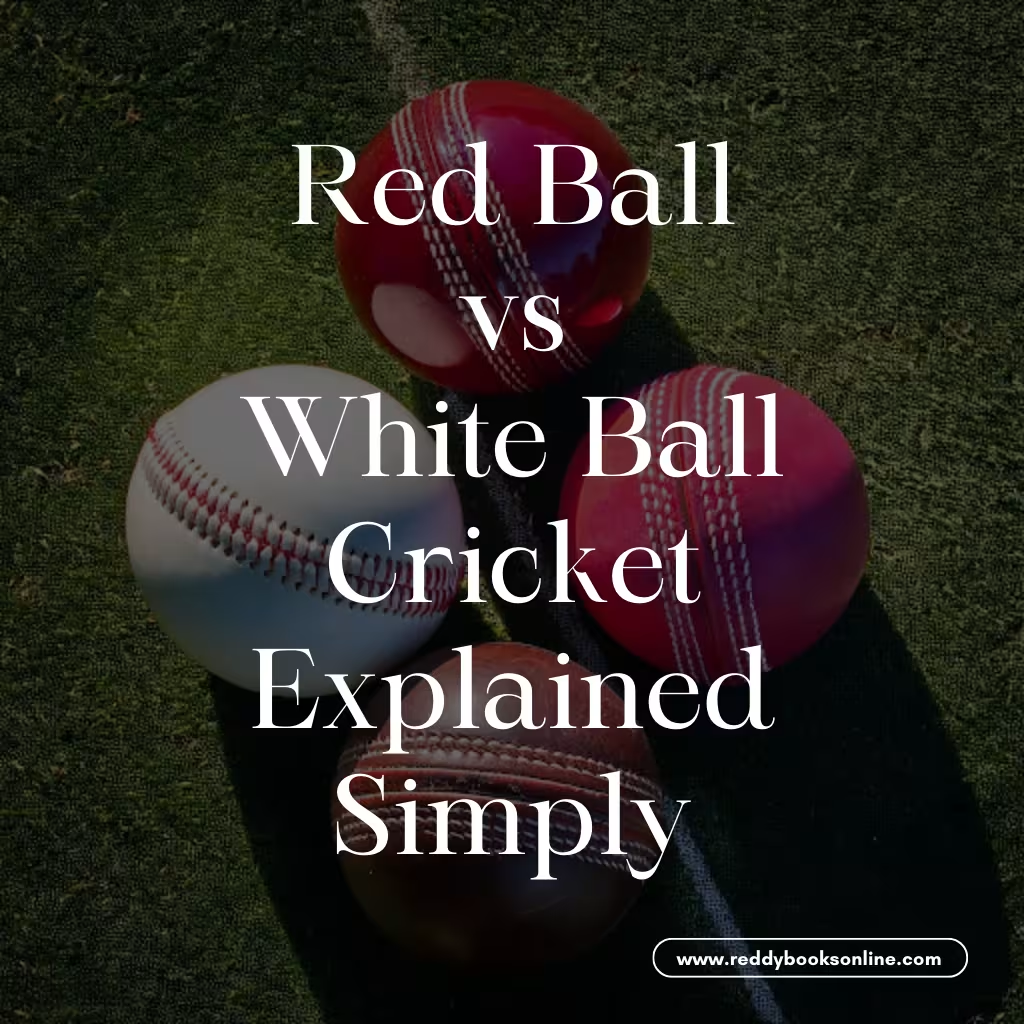
Understanding Red Ball vs White Ball Cricket is important for beginners who want to learn how the game changes across formats. While both balls are made of leather and look similar in structure, they behave differently depending on match conditions and format. This guide explains Red Ball vs White Ball Cricket in simple language, covering visibility, swing, durability, and overall impact on the game. Also Read : Reddy Book 99 What Is Red Ball Cricket? Used In Test Matches Red balls are traditionally used in Test cricket, which is played over five days. Key Characteristics Red ball cricket emphasizes patience, technique, and endurance. What Is White Ball Cricket? Used In ODIs and T20 Matches White balls are used in limited-overs formats, especially day-night matches. Key Characteristics White ball cricket focuses on faster scoring and aggressive strategies. Red Ball vs White Ball Cricket: Visibility Differences Red Ball Visibility White Ball Visibility This is one of the biggest reasons why white balls are used in shorter formats. Swing and Seam Movement Red Ball Swing White Ball Swing In the Red Ball vs White Ball Cricket comparison, red balls generally offer longer-lasting seam movement. Durability and Wear Red Ball White Ball Durability plays a major role in how each format unfolds. Impact on Playing Style Red Ball Cricket White Ball Cricket The format significantly influences tactics. Differences in Match Format Red Ball White Ball These structural differences define Red Ball vs White Ball Cricket. Which Is More Challenging? Both formats require skill but in different ways. Each format demands specialized preparation. Also Read : Cricket Bat Weight Guide Summary The debate around Red Ball vs White Ball Cricket highlights how equipment influences gameplay. While the red ball supports traditional, long-format cricket, the white ball suits fast-paced, modern matches. For beginners, understanding these differences helps in adapting techniques and appreciating how cricket evolves across formats.
English Willow vs Kashmir Willow: Key Differences
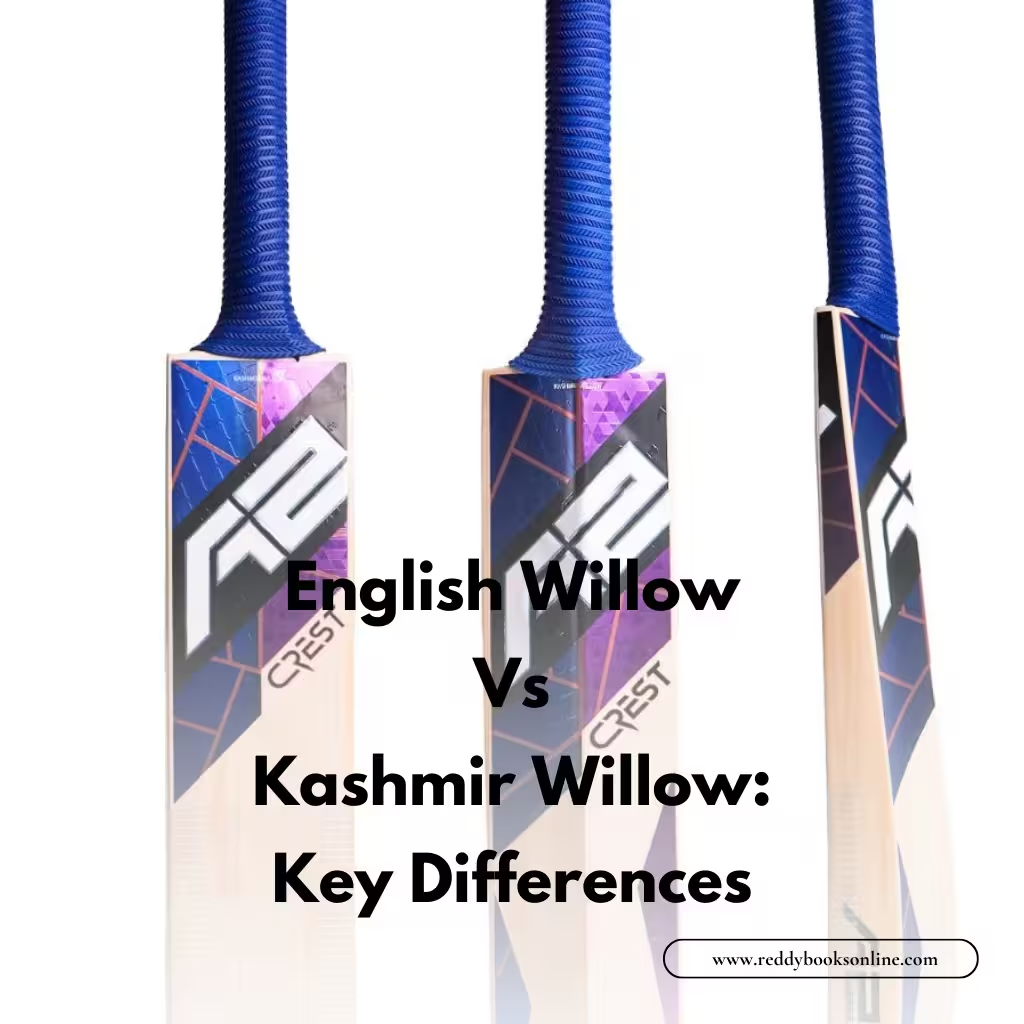
When buying a cricket bat, one of the biggest decisions is choosing between English Willow vs Kashmir Willow. Both materials are widely used in bat manufacturing, but they differ in quality, performance, and price. This guide explains the key differences between English Willow vs Kashmir Willow in simple language to help beginners make the right choice. Also Read : Reddy Book 247 What Is English Willow? English willow is considered the premium wood used for professional cricket bats. Key Features of English Willow Because of its high quality, English willow bats are usually more expensive. What Is Kashmir Willow? Kashmir willow is grown mainly in the Indian subcontinent and is commonly used for beginner and intermediate bats. Key Features of Kashmir Willow Kashmir willow bats are popular among beginners due to their lower price. English Willow vs Kashmir Willow: Performance Comparison Power and Rebound English willow is preferred for competitive cricket because of its superior performance. Weight and Balance For beginners, balance is often more important than weight alone. Durability Differences English Willow Kashmir Willow Kashmir willow is often more forgiving for beginners who may mishit frequently. Price Comparison English Willow Kashmir Willow Price is one of the biggest differences in the English Willow vs Kashmir Willow debate. Maintenance Requirements English Willow Maintenance Kashmir Willow Maintenance Which One Is Better for Beginners? For beginners: The best option depends on playing level, budget, and personal preference. Common Misconceptions “English Willow Is Always Better” It performs better, but may not be necessary for beginners. “Kashmir Willow Is Poor Quality” Not true. It is durable and suitable for entry-level players. Also Read : Best Cricket Bat for Beginners Summary The choice between English Willow vs Kashmir Willow depends on performance expectations and budget. English willow offers premium performance and lighter weight, while Kashmir willow provides affordability and durability. For beginners, starting with the right balance between cost and comfort is more important than simply choosing the most expensive option.