

Understanding How Many Overs in ODI cricket matches is one of the first things every beginner should learn. One Day International matches are among the most popular formats of cricket because they balance strategy, excitement, and time. An ODI match is played between two teams, and each team gets a fixed number of overs to bat and score runs. Knowing how these overs are structured helps fans follow the game more easily and understand team strategies. Also Read : Reddy Books 24 How Many Overs in ODI Cricket The answer to How Many Overs in ODI cricket is simple. Each team is allowed to play a maximum of 50 overs in one innings. Since there are two innings in a match, a full ODI game consists of 100 overs in total. Each over contains six legal deliveries, which means a team can face up to 300 balls in their innings. The team that scores more runs after completing their 50 overs wins the match. Structure of an ODI Match First Innings The team batting first uses its 50 overs to build a competitive total. They aim to score as many runs as possible while protecting their wickets. Second Innings The chasing team also gets 50 overs to reach the target set by the first team. If they achieve the target within the overs, they win. If not, the defending team wins. Powerplay Overs in ODI Powerplays are special phases within the 50 overs that include fielding restrictions. These phases influence how teams plan their batting and bowling. 1. First Powerplay The first 10 overs are the most aggressive phase. Only a limited number of fielders are allowed outside the inner circle, encouraging attacking shots. 2. Middle Overs From overs 11 to 40, teams focus on building partnerships and controlling the run rate. 3. Final Overs The last 10 overs are known for big hitting. Batters try to score quickly, while bowlers aim to restrict runs and take wickets. What Happens If Overs Are Reduced Sometimes weather conditions like rain can interrupt matches. In such cases, the number of overs may be reduced. Special methods are used to adjust the target so that the game remains fair. Even when overs are reduced, the basic idea of How Many Overs in ODI remains the same, with both teams getting an equal opportunity to bat. Overs Per Bowler in ODI In ODI cricket, no single bowler can bowl all 50 overs. Each bowler is limited to a maximum of 10 overs. This rule ensures that teams use multiple bowlers and maintain balance in their strategy. Why Overs Are Important in ODI Cricket Understanding How Many Overs in ODI helps explain how teams plan their innings. Overs determine: This structure makes ODI cricket both strategic and exciting to watch. Also Read : Difference Between No Ball and Wide Summary This guide explains How Many Overs in ODI cricket and how the format works. Each team gets 50 overs to bat, making a total of 100 overs in a full match. With powerplays, bowling limits, and match strategies, overs play a key role in shaping the outcome. Once you understand this structure, following ODI matches becomes much easier and more enjoyable.
Cricket Referee Role Explained Simply for Beginners
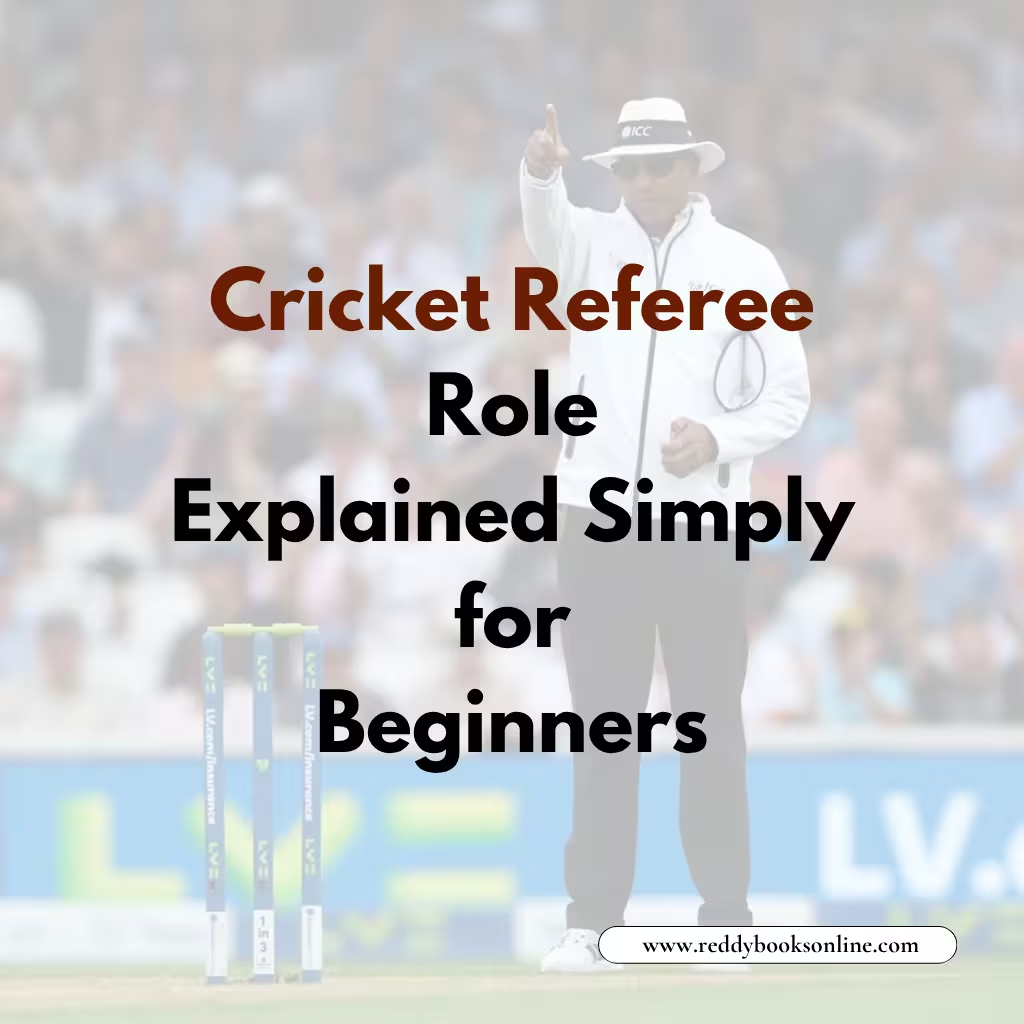
Understanding the Cricket Referee Role is important for anyone who wants to fully grasp how the game is managed behind the scenes. While umpires control what happens on the field, the match referee ensures that the game is played fairly and according to the rules. The cricket referee plays a crucial role in maintaining discipline, monitoring player behavior, and handling any issues that arise during a match. For new fans, learning about this role adds a deeper understanding of how professional cricket operates. Also Read : Reddy Books 369 What Is the Cricket Referee Role The Cricket Referee Role involves overseeing the overall conduct of a match. Unlike umpires, referees do not make decisions on the field during play. Instead, they observe the match from outside and ensure that players and teams follow the official rules and code of conduct. Match referees are usually appointed by governing bodies for international and major domestic matches. Their decisions are important for maintaining fairness and professionalism in the game. Key Duties of a Cricket Referee 1. Monitoring Player Behavior One of the main responsibilities of the referee is to watch how players behave during the match. If a player shows aggression, uses inappropriate language, or breaks rules, the referee can take action. 2. Enforcing the Code of Conduct The referee ensures that all players follow the cricket code of conduct. This includes maintaining sportsmanship, respecting opponents, and following match regulations. 3. Reviewing Match Reports After the match, the referee prepares a report that includes key events, player behavior, and any incidents that occurred. This report is submitted to the governing authority. 4. Taking Disciplinary Actions If any rules are violated, the referee has the authority to impose fines, warnings, or suspensions depending on the seriousness of the offense. Difference Between Umpire and Referee The Cricket Referee Role is different from that of an umpire. Umpires are responsible for making decisions such as outs, wides, and no balls during the match. On the other hand, the referee focuses on discipline and overall match conduct. While umpires manage gameplay, referees ensure the spirit of the game is maintained. Why the Cricket Referee Role Is Important The role of a referee is essential for keeping the game fair and respectful. Without proper supervision, matches could become disorganized or unfair. The Cricket Referee Role helps to: This makes the referee a key figure in modern cricket. How Cricket Referees Support Fair Play Cricket referees act as neutral observers who ensure that both teams compete in a respectful environment. They step in only when needed, but their presence ensures that players stay within the rules. By enforcing discipline and reviewing match conduct, referees help maintain the integrity of cricket at all levels. Also Read : LBW in Cricket Summary This guide explains the Cricket Referee Role and why it is important in professional cricket. From monitoring player behavior to enforcing rules and preparing match reports, referees play a vital role behind the scenes. Understanding this role helps fans appreciate not just the action on the field but also the structure that keeps the game fair and organized.
Basic Cricket Rules for Kids and Beginners Explained Simply
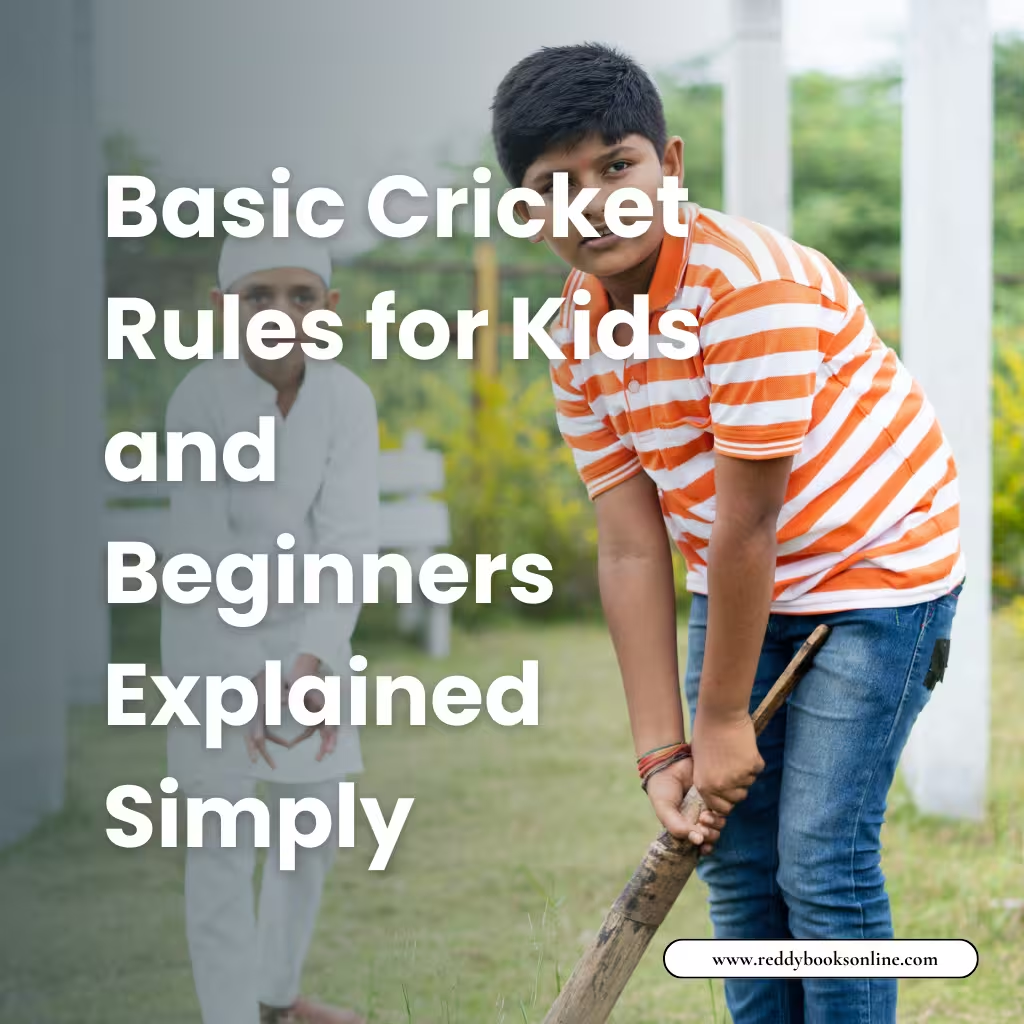
Learning basic cricket rules for kids can be a fun and exciting way to introduce children to one of the world’s most popular sports. Cricket may seem complicated at first, but once kids understand the simple rules, the game becomes enjoyable and easy to follow. Cricket is played between two teams of eleven players on a large field. The main goal is to score more runs than the other team while also trying to get the opposing players out. By understanding the basic cricket rules for kids, young players can quickly learn how the game works and start enjoying it. This guide explains the simple rules, player roles, and gameplay so beginners can easily understand cricket. Also Read : Reddy Book 247 What Is Cricket? (Simple Explanation for Kids) The Goal of the Game The main aim of cricket is to score runs. One team bats while the other team bowls and fields. When a player hits the ball, they can run between two points on the pitch to score runs. The team that scores the most runs wins the match. Teams and Players Each cricket team has 11 players. During the match, one team bats while the other team bowls and fields. The players have different roles such as: Basic Cricket Rules for Kids How Runs Are Scored Runs are scored when the batter hits the ball and runs to the other end of the pitch. Players can also score runs by hitting the boundary: These big hits are often the most exciting moments for kids watching cricket. What Is an Over in Cricket? Bowling in Sets In cricket, bowlers deliver the ball in sets called overs. Overs help organize the game and control how long each team bats. Simple Ways a Batter Can Get Out Batters can be dismissed in several ways. Some of the most common ones include: Bowled If the bowler hits the stumps with the ball, the batter is out. Caught If a fielder catches the ball before it touches the ground, the batter is out. Run Out If a fielder hits the stumps with the ball before the batter reaches the crease while running, the batter is out. When ten players are out, the batting team’s turn usually ends. Cricket Equipment for Kids To play cricket safely, players need some basic equipment. Important cricket gear includes: Using the right equipment helps kids enjoy the game while staying safe. Why Cricket Is Great for Kids Cricket is not just about scoring runs and taking wickets. It also teaches valuable skills such as: Learning basic cricket rules for kids allows children to understand the game quickly and develop confidence while playing. Also Read : Cricket for Beginners Summary Understanding basic cricket rules for kids is the first step to enjoying the sport. Once children learn the simple rules, such as scoring runs, bowling overs, and getting batters out—they can easily follow and play the game. Cricket is a fun sport that encourages teamwork, skill, and healthy competition. With practice and knowledge of the basics, kids can develop a strong interest in cricket and enjoy playing with friends and teammates.

What Is LBW in Cricket with Example? Rules Explained
Understanding what is LBW in cricket with example is important for anyone learning the basic rules of cricket. LBW stands for Leg Before Wicket, which is one of the official methods of dismissing a batter in cricket. An LBW dismissal happens when the ball hits the batter’s body, usually the pad or leg, before reaching the stumps and prevents the ball from hitting the wicket. If the umpire believes the ball would have gone on to hit the stumps, the batter can be given out. The LBW rule ensures that batters cannot unfairly use their legs to block the ball instead of attempting to play it with the bat. Learning what is LBW in cricket with example helps fans understand many umpire decisions during matches. Also Read : Reddy Book 24 Meaning of LBW in Cricket Simple Definition LBW stands for Leg Before Wicket, meaning the ball strikes the batter’s leg or pad before hitting the stumps. If the ball would have hit the wicket but is stopped by the batter’s body, the umpire may declare the batter out LBW. Important conditions for LBW include: Because several factors must be considered, LBW decisions can sometimes be complex. Example of LBW in Cricket Simple Match Scenario Imagine a bowler delivers a straight ball aimed at the stumps. The batter tries to defend but misses the shot, and the ball strikes the front pad directly in front of the wicket. If the umpire believes the ball would have continued to hit the stumps, the batter will be declared out LBW. This situation clearly explains what is LBW in cricket with example, where the batter’s leg blocks the ball from hitting the wicket. Key Rules for LBW in Cricket Ball Must Not Pitch Outside Leg Stump If the ball pitches outside the leg stump, the batter cannot be given out LBW. This rule protects batters from unfair dismissals. Impact Must Be in Line with the Stumps The ball must hit the batter in line with the stumps or slightly outside the off stump. If the impact is far outside this line, the batter is usually not out. Ball Must Be Going Toward the Stumps The umpire must believe that the ball would have hit the wicket if the batter’s body had not stopped it. No Contact with the Bat If the ball touches the bat before hitting the pad, the LBW rule does not apply. Role of Technology in LBW Decisions Ball Tracking Technology Modern cricket uses ball-tracking systems to assist umpires in LBW decisions. These systems show the path of the ball and predict whether it would have hit the stumps. Decision Review System (DRS) Teams can challenge LBW decisions using the Decision Review System (DRS). Technology then analyzes the ball’s movement to confirm or overturn the umpire’s decision. This technology has made LBW decisions more accurate in professional cricket. Why the LBW Rule Is Important Maintains Fair Play The LBW rule prevents batters from deliberately blocking the ball with their legs to protect the wicket. Gives Bowlers More Chances to Take Wickets Without the LBW rule, bowlers would find it much harder to dismiss batters. Adds Strategy to Bowling Many bowlers aim straight deliveries toward the stumps or batter’s pads to create LBW opportunities. Also Read : All-Rounder in Cricket Summary Learning what is LBW in cricket with example helps fans understand one of the most important dismissal rules in the game. LBW ensures fairness by preventing batters from using their body to stop the ball from hitting the stumps. When the ball strikes the batter in front of the wicket and would have hit the stumps, the umpire may declare the batter out LBW. With clear rules and modern technology assisting decisions, the LBW rule remains a key part of cricket today.
What Is an All-Rounder in Cricket? Role and Importance
Understanding what is an all-rounder in cricket is important for anyone learning the fundamentals of the game. In cricket, an all-rounder is a player who contributes effectively with both batting and bowling, making them one of the most valuable members of a team. Unlike specialist players who focus mainly on one skill, all-rounders provide balance and flexibility to the team. They can score important runs with the bat and also take wickets when bowling. Because of their ability to perform multiple roles, captains and coaches often rely on all-rounders in crucial match situations. For beginners, learning what is an all-rounder in cricket helps explain how teams build a balanced lineup capable of performing well in different match conditions. Also Read : Reddy Book 24 Meaning of All-Rounder in Cricket Simple Definition An all-rounder in cricket is a player who is skilled in both batting and bowling. This means they can contribute significantly in both areas during a match. Key characteristics of an all-rounder include: Because of these abilities, all-rounders often play a key role in turning matches in their team’s favor. Types of All-Rounders in Cricket Batting All-Rounder A batting all-rounder is primarily known for their batting skills but can also bowl effectively when required. These players often bat higher in the order and contribute useful overs with the ball. Bowling All-Rounder A bowling all-rounder is mainly recognized for their bowling ability but can also score valuable runs lower down the batting order. Their ability to add runs while taking wickets makes them extremely useful for the team. Both types of all-rounders help teams maintain balance between batting strength and bowling options. Importance of All-Rounders in Cricket Teams Provides Team Balance One of the main reasons teams value all-rounders is because they improve overall balance. With players who can both bat and bowl, teams have more flexibility in selecting their lineup. For example, a team with strong all-rounders can include extra bowlers or batters without weakening either department. Flexibility in Match Strategy All-rounders allow captains to adapt strategies during a match. If a specialist bowler is struggling, the captain may use an all-rounder to control the game. Similarly, if the team loses early wickets, an all-rounder can stabilize the innings with the bat. Crucial in Limited-Overs Cricket In formats like ODI and T20 cricket, all-rounders are especially valuable. Their ability to contribute in multiple ways helps teams manage the fast-paced nature of these formats. Skills Required to Become an All-Rounder Strong Batting Technique All-rounders must be capable batters who can build innings or score quick runs when needed. Effective Bowling Ability They must also have reliable bowling skills, whether as a fast bowler, medium pacer, or spinner. Fitness and Adaptability Because they perform multiple roles, all-rounders require excellent fitness and the ability to handle pressure during matches. Why All-Rounders Are Valuable in Cricket All-rounders often become match-winners because they can influence the game in more than one way. A player who can score runs, take wickets, and contribute in the field provides immense value to the team. Many legendary cricketers have been famous all-rounders, and their performances have shaped the outcomes of important matches. Also Read : Difference Between No Ball and Wide Summary Learning what is an all-rounder in cricket helps fans understand why these players are so important in team selection. By contributing with both bat and ball, all-rounders bring versatility and balance to a cricket team. Whether in Test matches, ODIs, or T20 cricket, all-rounders remain some of the most impactful players on the field. Their ability to perform multiple roles often makes the difference between winning and losing in competitive matches.
How Long Is a Test Match? Explained Simply
Understanding how long is a Test match is important for anyone learning about cricket’s longest and most traditional format. Unlike limited-overs matches such as ODIs and T20s, Test cricket is played over multiple days and allows teams to showcase patience, skill, and strategy. A standard Test match is scheduled for five days, with each day consisting of several hours of play divided into sessions. However, the match does not always last the full five days. It can end earlier if one team wins before the scheduled time. For beginners, learning how long is a Test match in cricket helps explain why this format is considered the ultimate challenge in the sport. Also Read : Reddy Book 24 What Is a Test Match in Cricket? The Traditional Format of the Game Test cricket is the oldest format of international cricket and is played between national teams over several days. Each team has the opportunity to bat and bowl in two innings, which allows the match to develop gradually. Unlike shorter formats, Test matches focus on endurance, tactical planning, and adapting to changing pitch conditions over time. Why It Is Called a “Test” The term “Test” refers to the idea that this format tests every aspect of a cricketer’s ability. Players must demonstrate skill, concentration, and stamina across several days of competition. How Long Is a Test Match? Standard Duration A typical Test match lasts up to five days. Each day usually includes around 90 overs of play, depending on interruptions such as weather or slow over rates. Daily play normally lasts about six hours, excluding breaks. Daily Match Schedule Test matches are divided into three sessions per day: Between these sessions, players take scheduled breaks: This structure allows teams to manage their energy and plan strategies during the match. Why Some Test Matches End Early 1. All Wickets Fall Quickly A Test match may finish before the fifth day if one team dismisses the other twice and scores enough runs to win the match. 2. Large Lead by One Team If a team gains a large advantage in the first innings, they may force the opposing side into a difficult position, leading to an early result. 3. Weather Interruptions Rain or poor light can reduce playing time during a Test match. Sometimes lost overs cannot be recovered, which can lead to the match ending in a draw. Possible Results in a Test Match Test cricket has several possible outcomes: Because of the long duration, draws are more common in Test cricket than in other formats. Why Test Matches Last Five Days Strategic Depth The five-day format allows teams to build long innings and develop complex strategies over time. Changing Pitch Conditions Cricket pitches often change throughout the match. Early days may favor batters, while later days may help spin bowlers. True Test of Skill Playing for multiple days challenges players physically and mentally. This is why many cricket fans consider Test matches the purest form of the game. Also Read : Maiden Over in Cricket Summary Learning how long is a Test match helps fans understand the unique nature of cricket’s longest format. Scheduled for up to five days, Test matches allow teams to compete through multiple innings while adapting to changing conditions. Although some matches finish early, the five-day structure gives players the opportunity to demonstrate patience, strategy, and resilience. For many cricket lovers, Test cricket remains the ultimate examination of a team’s skill and determination.

What Is Economy Rate in Cricket? Explained Simply
Understanding what is economy rate in cricket is essential for anyone learning how bowling performance is measured. In simple terms, the economy rate shows how many runs a bowler concedes on average in each over they bowl. A lower economy rate means the bowler is controlling the flow of runs effectively. This statistic is especially important in limited-overs formats like ODI and T20 cricket, where restricting runs can make a big difference to the match outcome. For beginners, learning what is economy rate helps explain why some bowlers are valued for their ability to contain runs even if they do not take many wickets. Also Read : Reddy Book 247 Meaning of Economy Rate in Cricket Simple Definition The economy rate is a bowling statistic that measures the average number of runs conceded per over by a bowler. It helps analysts, commentators, and fans understand how efficiently a bowler limits the batting team’s scoring. Key points about economy rate: For example, if a bowler gives away 24 runs in four overs, their economy rate would be 6 runs per over. How Economy Rate Is Calculated Economy Rate Formula The formula for calculating economy rate is straightforward: Economy Rate = Total Runs Conceded ÷ Total Overs Bowled Example calculation: Economy Rate = 30 ÷ 5 = 6.00 This means the bowler allowed an average of six runs per over. Role of Extras Extras such as wides and no-balls are also included in the total runs conceded. Therefore, bowlers must maintain discipline and accuracy to keep their economy rate low. Importance of Economy Rate in Cricket Controlling the Run Flow One of the biggest reasons economy rate matters is that it reflects how well a bowler prevents the batting side from scoring freely. In tight matches, bowlers with low economy rates help their teams maintain control. Building Pressure on Batters When runs are hard to score, batters often feel pressured to play risky shots. This pressure can lead to mistakes and wickets. Valuable in Limited-Overs Formats Economy rate is particularly important in ODI and T20 cricket, where every run matters. A bowler who consistently maintains a low economy rate can significantly impact the match. Economy Rate in Different Cricket Formats Test Cricket In Test cricket, economy rate is less critical compared to patience and wicket-taking ability. However, bowlers who maintain tight lines can still build pressure over long spells. ODI Cricket In One Day Internationals, bowlers aim to balance wicket-taking with controlling the scoring rate. A good economy rate in ODIs is usually around 4–5 runs per over. T20 Cricket In T20 matches, scoring rates are much higher. Therefore, an economy rate below 7 or 8 runs per over is often considered effective. Also Read : Youngest Cricketer to Debut Summary Understanding what is economy rate in cricket helps fans appreciate the strategic side of bowling. While wickets are exciting, controlling the flow of runs is equally important. A strong economy rate reflects discipline, accurate bowling, and smart field placements. Whether in Test cricket, ODIs, or T20 matches, bowlers who maintain a low economy rate play a vital role in their team’s success. For anyone learning cricket statistics, knowing what is economy rate provides valuable insight into how bowlers influence the game.

Famous Cricket Matches in History Explained Simply
Cricket has produced many unforgettable moments that remain part of the sport’s legacy. Some matches stand out not just because of the result but because of the drama, tension, and extraordinary performances involved. These Famous Cricket Matches have defined generations of cricket fans and created historic memories in the sport. From thrilling World Cup finals to dramatic Test match comebacks, cricket history is filled with matches that continue to be discussed years later. Also Read : Reddy Book 777 What Makes a Cricket Match Famous? A match becomes legendary when it includes intense competition, unexpected twists, or extraordinary individual performances. Key Factors Behind Famous Cricket Matches These elements make certain games unforgettable and turn them into Famous Cricket Matches remembered for decades. 1983 World Cup Final – India vs West Indies A Historic Victory for India One of the most Famous Cricket Matches in history is the 1983 Cricket World Cup Final. India defeated the dominant West Indies team at Lord’s to win their first World Cup. Why This Match Is Legendary This victory transformed cricket in India and inspired millions of young players. 2005 Ashes Test at Edgbaston One of the Greatest Test Matches The 2005 Ashes Test between England and Australia at Edgbaston is widely considered one of the greatest Test matches ever played. Highlights of the Match The match is still remembered as one of the most dramatic moments in Ashes history. 2019 ICC Cricket World Cup Final England vs New Zealand The 2019 World Cup Final between England and New Zealand is another example of Famous Cricket Matches that stunned cricket fans worldwide. What Made It Historic It was one of the most dramatic endings in cricket history. 438 Match – Australia vs South Africa (2006) Highest Run Chase Ever Another legendary entry among Famous Cricket Matches is the 2006 ODI between Australia and South Africa. Key Moments This match remains one of the greatest run chases in ODI cricket history. Why Famous Cricket Matches Matter They Shape Cricket History Historic matches influence how fans remember certain eras of the sport. They Inspire Future Players Young cricketers often look at these legendary games as motivation. They Showcase the Spirit of Cricket The most Famous Cricket Matches highlight determination, teamwork, and competitive spirit. Also Read : Highest Team Score in Cricket Final Thoughts The history of cricket is filled with unforgettable moments created during Famous Cricket Matches. From dramatic World Cup finals to thrilling Test matches, these games have shaped the sport and entertained millions of fans around the world. As cricket continues to evolve, new legendary matches will emerge, but the historic games mentioned above will always remain iconic chapters in cricket history.

Most Centuries in International Cricket History
Scoring a century is one of the greatest achievements for any batter in cricket. It requires skill, patience, consistency, and the ability to perform under pressure. Over the years, several legendary players have dominated the game by scoring multiple centuries across formats. The record for the Most centuries in international cricket reflects extraordinary batting ability and long-term consistency at the highest level. A century means a batter has scored 100 or more runs in a single innings. Achieving this milestone regularly in international matches is extremely challenging because players face the world’s best bowlers and competitive conditions. Also Read : Reddy Book 777 Sachin Tendulkar – The Record Holder The Highest Number of International Centuries The record for the Most centuries in international cricket belongs to Indian legend Sachin Tendulkar. Known as the “Master Blaster,” Tendulkar scored 100 international centuries during his remarkable career. Key Highlights of the Record Tendulkar’s consistency across more than two decades made him one of the greatest batters in cricket history. Modern Players Chasing the Record Virat Kohli Indian superstar Virat Kohli is among the closest players to challenging the record for the Most centuries in international cricket. Kohli has built his reputation on remarkable consistency and match-winning performances. Why Kohli Stands Out His aggressive yet controlled batting style has produced numerous centuries in both Test and ODI cricket. Ricky Ponting Former Australian captain Ricky Ponting is another legendary batter in the list of players with the Most centuries in international cricket. Career Achievements Ponting’s attacking style and leadership made him one of the most successful captains and batters in cricket. Why Centuries Are Important in Cricket Match-Winning Performances Centuries often play a key role in deciding the outcome of matches. A well-timed hundred can help teams set big totals or successfully chase targets. Consistency and Skill Players who score many centuries demonstrate exceptional batting technique, mental strength, and consistency. Historic Milestones Records like the Most centuries in international cricket highlight players who have made a lasting impact on the sport. Also Read : Best Bowling Figures in Cricket Final Thoughts The record for the Most centuries in international cricket represents the highest level of batting excellence. Legends like Sachin Tendulkar, Ricky Ponting, and Virat Kohli have set remarkable benchmarks for future generations. As cricket continues to evolve with new formats and faster scoring rates, new stars may challenge these records. However, the achievements of these legendary batters will always remain an important chapter in cricket history.

Most Amazing Cricket World Records Explained
Cricket is a sport filled with legendary moments and incredible achievements. Over the decades, players have created remarkable milestones that fans still talk about today. These Cricket World Records showcase the extraordinary talent, dedication, and consistency required to succeed at the highest level. From unbelievable batting feats to historic bowling performances, the game has witnessed records that may stand for many years. Let’s explore some of the most amazing Cricket World Records that have shaped the history of the sport. Also Read : Reddy Book 99 Highest Individual Score in Test Cricket Brian Lara – 400 Not Out One of the most famous Cricket World Records belongs to West Indies legend Brian Lara, who scored an unbeaten 400 runs in a Test match. Why This Record Is Special Scoring 400 runs in a single innings is a rare achievement that highlights exceptional batting skill. Most International Runs in Cricket Sachin Tendulkar – Over 34,000 Runs Indian cricket icon Sachin Tendulkar holds the record for the most international runs in cricket history. Career Highlights This record represents one of the greatest achievements in cricket. Most Wickets in International Cricket Muttiah Muralitharan – 1347 Wickets Sri Lankan spin wizard Muttiah Muralitharan holds the record for the most wickets in international cricket. What Made Him Unique His record is one of the most significant Cricket World Records in bowling history. Fastest Century in ODI Cricket AB de Villiers – 31 Balls South African star AB de Villiers stunned the cricket world by scoring a century in just 31 balls during an ODI match. Why It Was Remarkable This innings is often considered one of the most explosive batting displays ever seen. Highest Team Total in Test Cricket Sri Lanka – 952/6 Declared Sri Lanka holds the record for the highest team total in Test cricket history. What Made It Historic Such achievements are key milestones in Cricket World Records. Why Cricket World Records Matter 1. Inspiration for Future Players Records motivate young cricketers to push their limits. 2. Historical Significance They capture important moments that define different eras of the sport. 3. Evolution of Cricket As cricket evolves with new formats and strategies, some records may be broken while others remain legendary. Also Read : Most Sixes in Cricket Final Thoughts The list of Cricket World Records continues to grow as new generations of players bring fresh talent and innovation to the game. From record-breaking centuries to incredible bowling spells, these milestones highlight the beauty and competitiveness of cricket. Fans around the world eagerly watch every match, knowing that the next historic record could happen at any moment.