
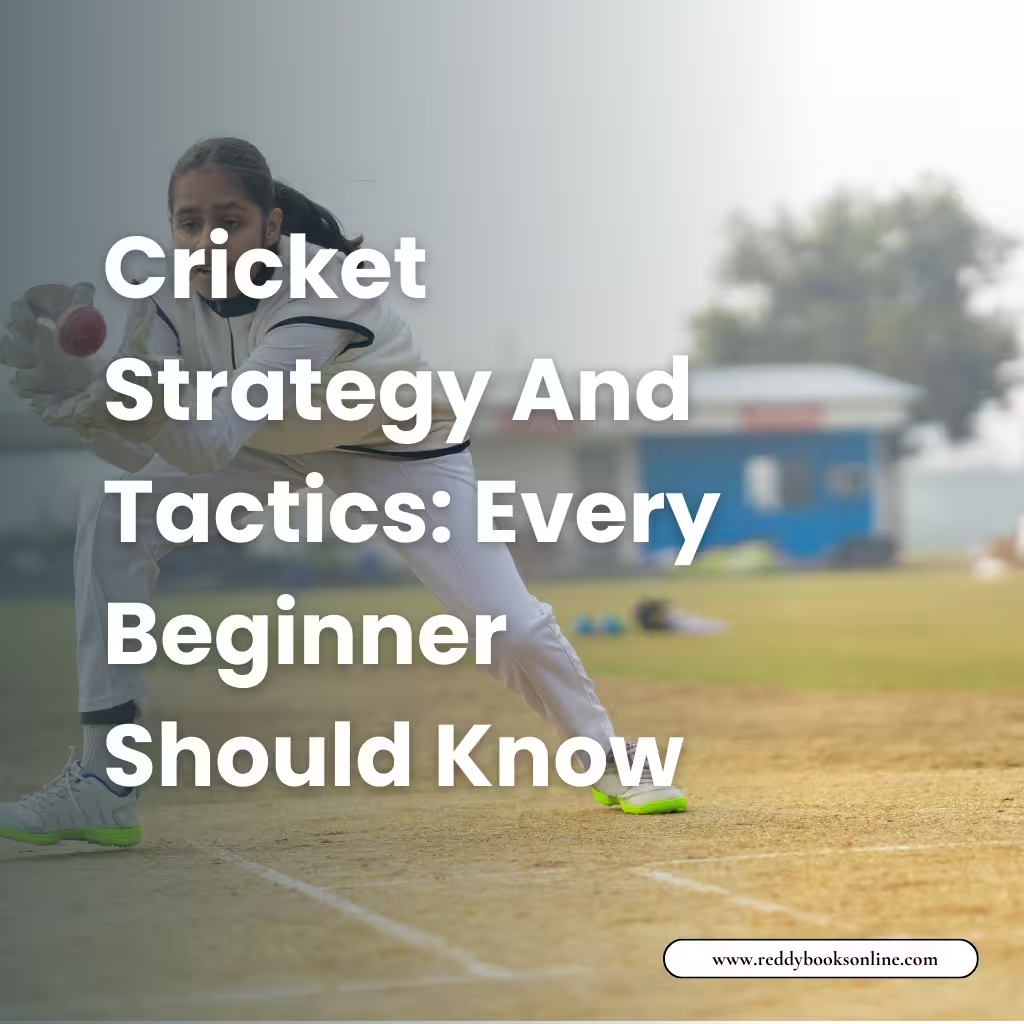
Understanding Cricket strategy and tactics is essential for anyone who wants to go beyond just watching the game. Cricket is not only about batting and bowling skills but also about smart planning, decision-making, and adapting to match situations.
Every team enters a match with a clear plan, but the ability to adjust tactics during the game often decides the final result. For beginners, learning these basic strategies makes cricket more interesting and easier to follow.
Also Read : Reddy Book 247
What Is Cricket Strategy and Tactics
Cricket strategy and tactics refer to the plans teams use to score runs, take wickets, and control the match. Strategy is the overall game plan, while tactics are the small decisions made during play to achieve that plan.
For example, choosing when to attack or defend, setting field placements, and rotating bowlers are all part of cricket tactics.
Batting Strategies in Cricket
1. Building an Innings
Batters focus on staying at the crease and building partnerships. In longer formats, patience is important, while in shorter formats like T20, scoring quickly becomes a priority.
2. Rotating Strike
Instead of always hitting boundaries, batters often take singles and doubles to keep the scoreboard moving. This helps reduce pressure and maintain momentum.
3. Playing According to Situation
A team chasing a high target may play aggressively, while a team defending a score may play more carefully. Understanding the match situation is a key part of Cricket strategy and tactics.
Bowling Tactics in Cricket
1. Line and Length Control
Bowlers aim to deliver the ball in areas that make it difficult for batters to score. Consistent line and length are essential for success.
2. Variation in Deliveries
Using slower balls, yorkers, or spin variations helps bowlers confuse batters and create chances for wickets.
3. Targeting Weaknesses
Bowlers study batters and try to exploit their weaknesses, such as difficulty playing short balls or spin.
Fielding Strategies
Field Placement
Captains place fielders based on the batter’s strengths and the bowler’s plan. Close fielders are used for catching opportunities, while boundary fielders prevent big shots.
Saving Runs
Good fielding reduces easy runs and builds pressure on the batting team. Even small efforts like stopping singles can make a big difference.
Role of the Captain in Strategy
The captain plays a major role in executing Cricket strategy and tactics. They decide bowling changes, field placements, and overall game approach. A smart captain can change the direction of the match with timely decisions.
Why Strategy and Tactics Matter
Understanding Cricket strategy and tactics helps players and fans see the game more clearly. It explains why teams make certain decisions and how matches can change quickly.
These strategies help teams:
- Control the pace of the game
- Create wicket-taking opportunities
- Adapt to different conditions
How Beginners Can Learn Cricket Strategy
The best way to learn is by watching matches and observing team decisions. Pay attention to field placements, bowling changes, and how batters adjust their approach.
With time, these patterns become easier to understand, and the game becomes more engaging.
Also Read : Overs in ODI Cricket
Summary
This guide to Cricket strategy and tactics explains how teams plan and execute their game. From batting and bowling to fielding and captaincy, every decision plays a role in the outcome.
Once you understand these basics, cricket becomes more than just a sport, it becomes a game of skill, planning, and smart thinking.